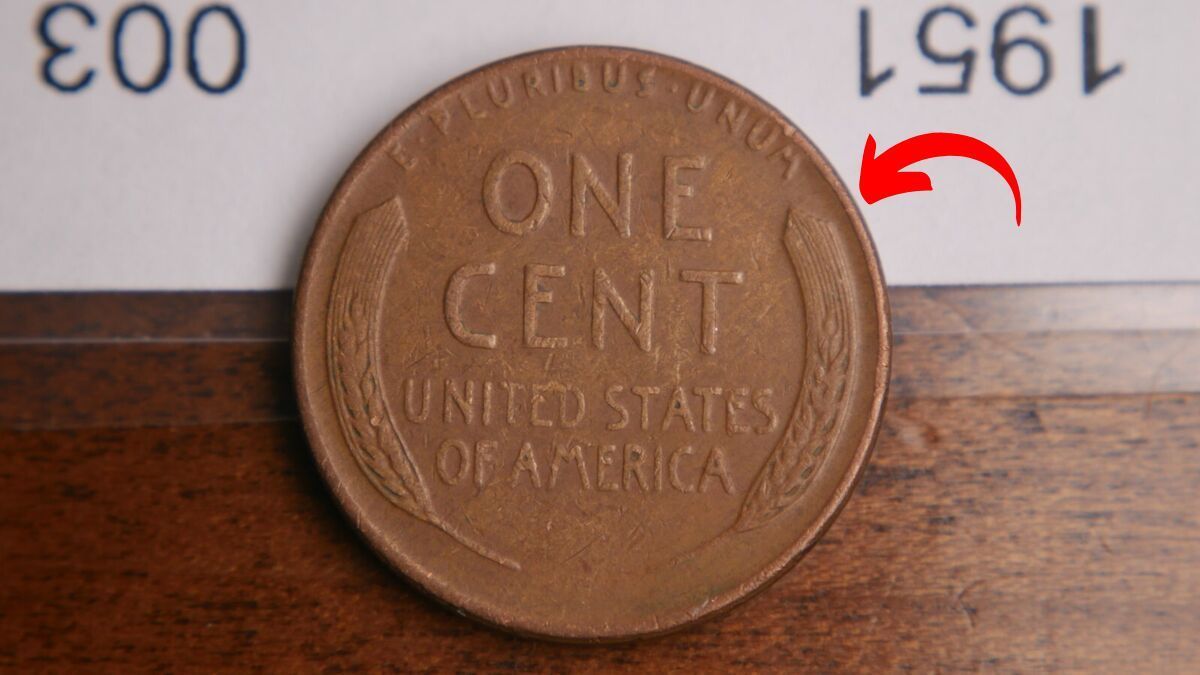
It might seem surprising, but a small one-cent coin can sometimes be worth up to $10,000. The Lincoln Wheat Penny, once commonly used in everyday transactions, has become a popular collectible among coin enthusiasts. What makes this story even more interesting is the possibility that some of these valuable coins may still be found in circulation today.
History of the Lincoln Wheat Penny
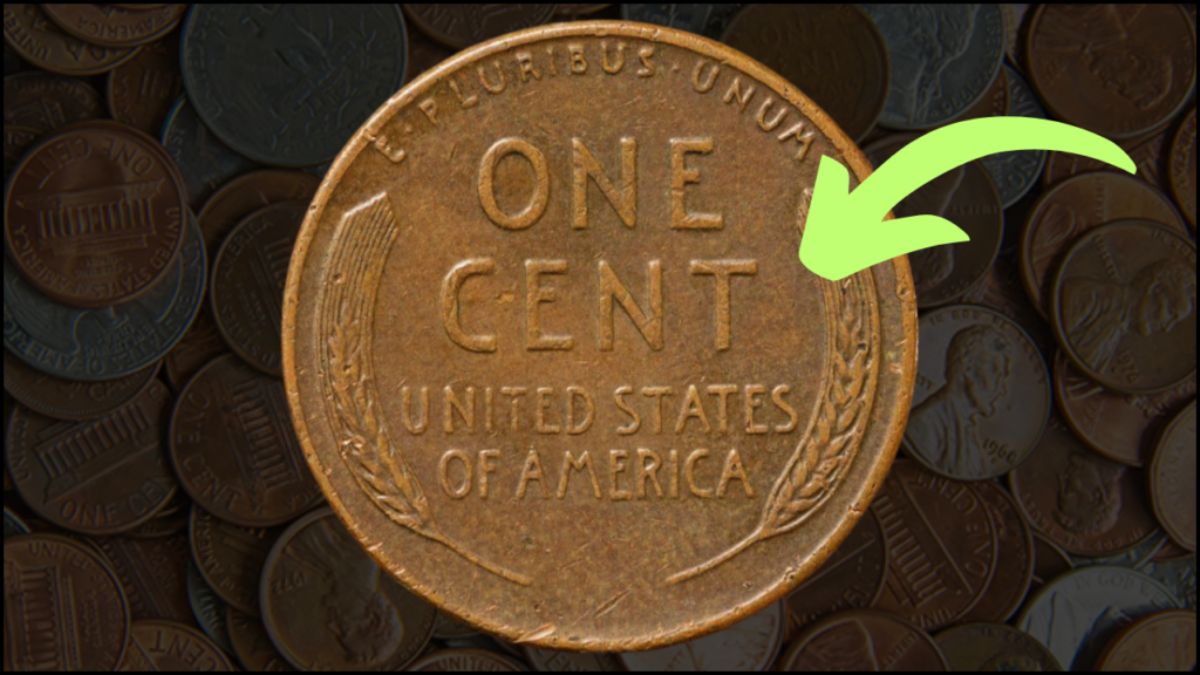
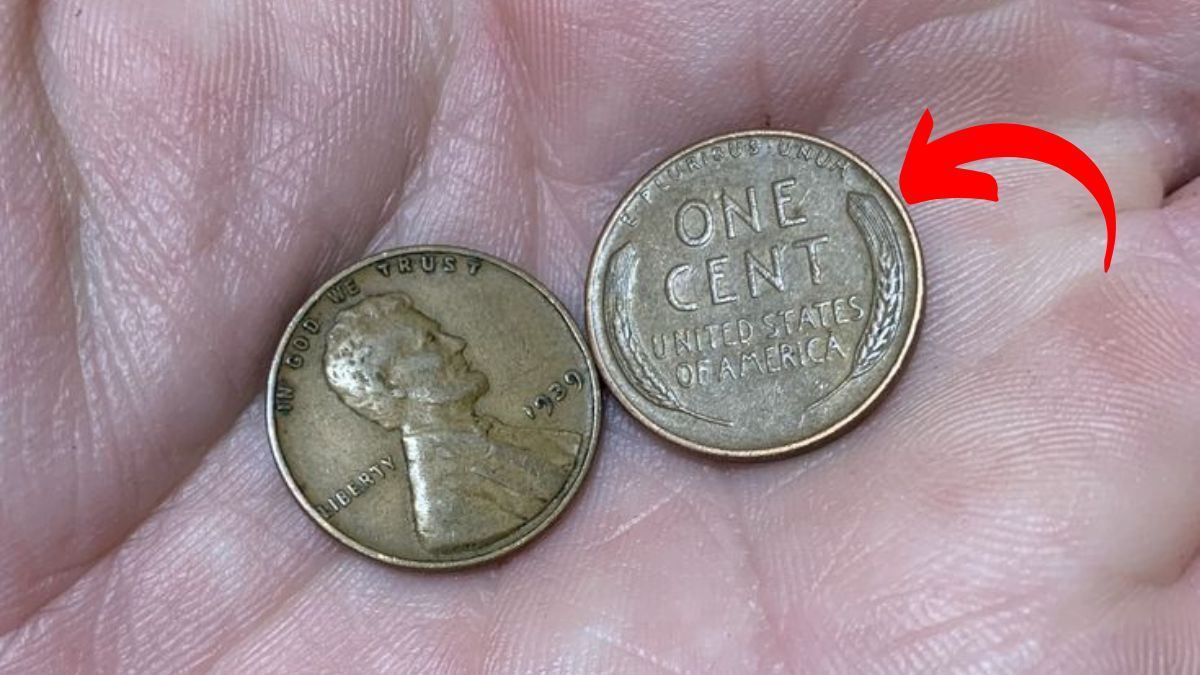
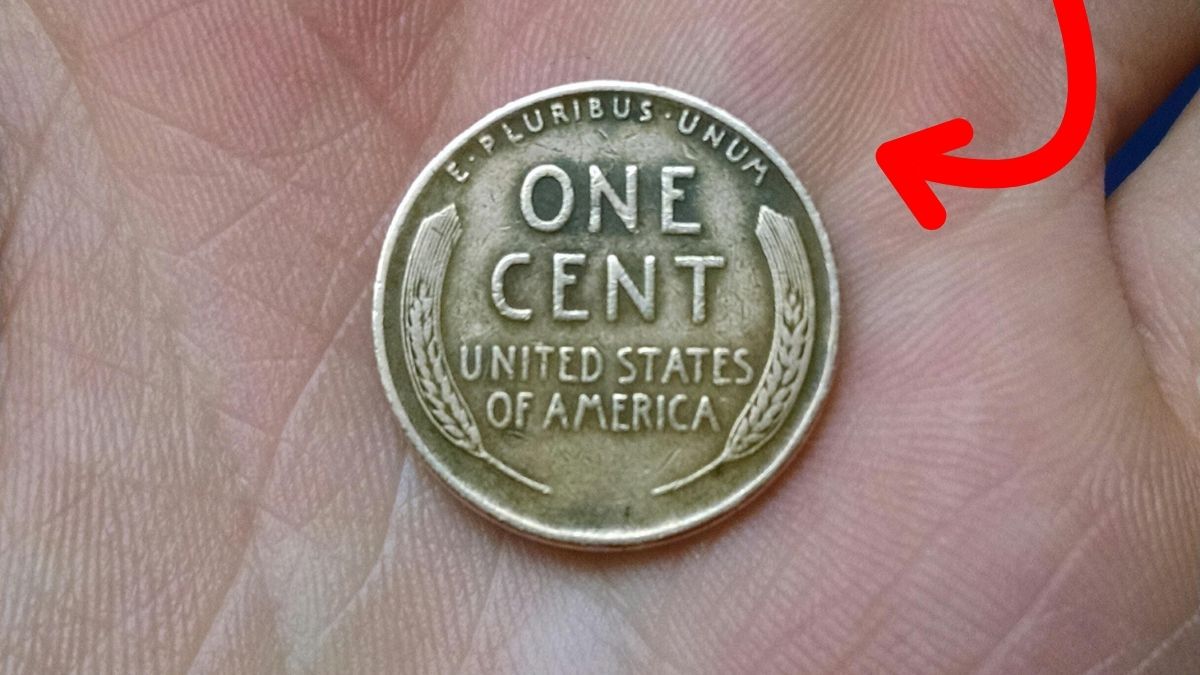
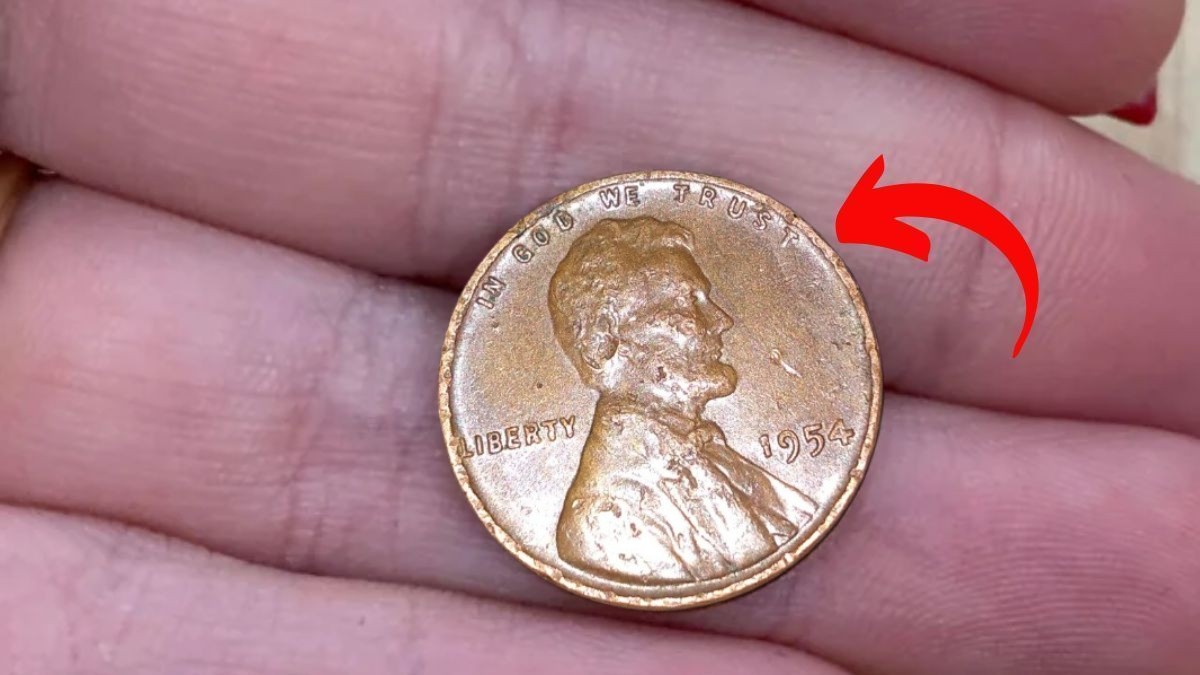
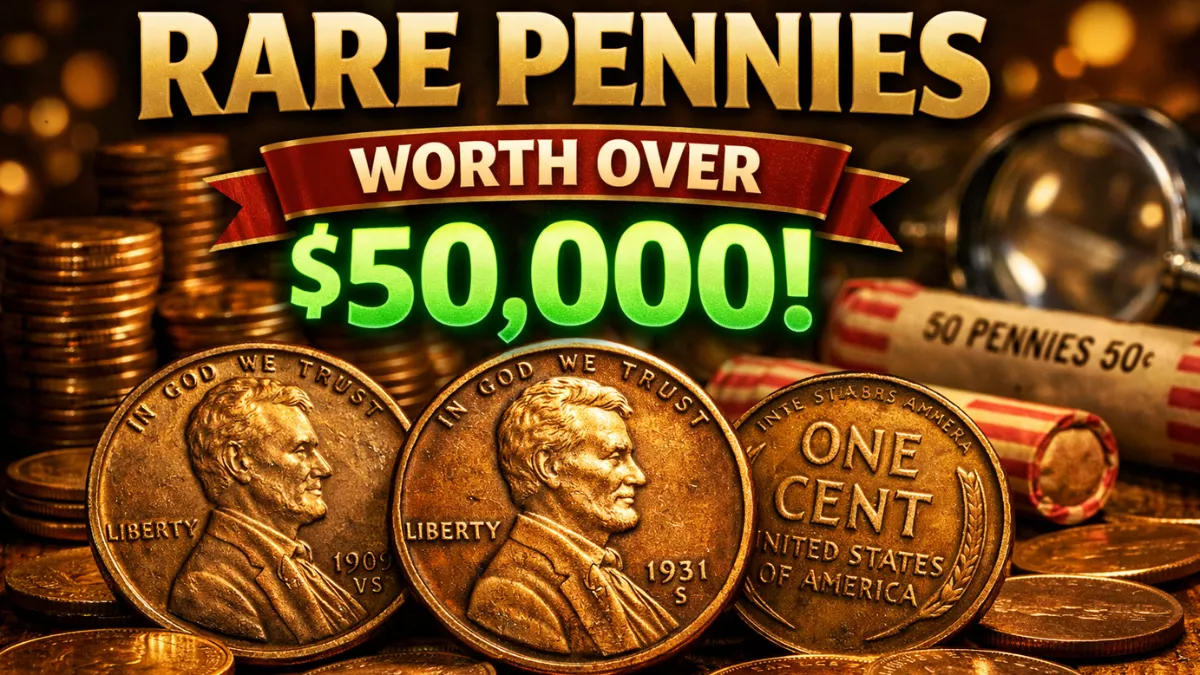
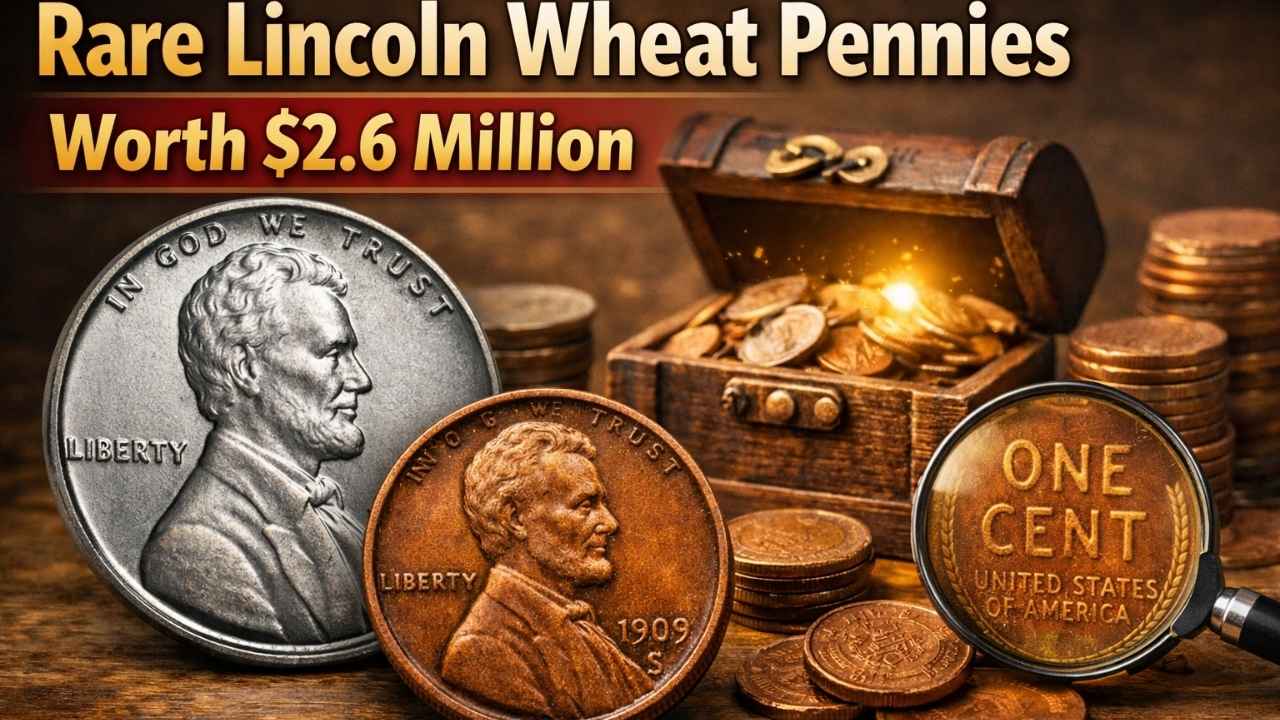
The Lincoln Wheat Penny was introduced in 1909 to celebrate the 100th birth anniversary of Abraham Lincoln. Designed by Victor David Brenner, it was the first U.S. coin to feature a real person. The front of the coin shows Lincoln’s portrait, while the back displays two wheat stalks. These coins were produced until 1958, after which the design was changed. Today, they are considered an important part of American coin history.
Why Some Wheat Pennies Are Worth $10K
Not all Wheat Pennies are valuable. In fact, most are worth only a few cents. However, certain rare coins can reach values of $10,000 or more. This depends on factors such as the year of minting, mint mark, and any unique features. Coins with errors or limited production numbers are especially valuable. Even a small difference in design or material can make a big difference in price.
The Role of Rarity and Errors
Rarity is one of the biggest reasons why some coins become valuable. Certain years had very low production numbers, making those coins harder to find today. In addition, minting errors, such as doubled designs or incorrect metal use, can increase a coin’s value. Collectors are always looking for these rare variations, which is why they can sell for high prices.
Importance of Coin Condition
The condition of a coin plays a major role in its value. Coins that are well-preserved and show little wear are worth much more than worn-out ones. Professional grading services examine coins carefully and assign them a grade. A higher-grade coin is considered more valuable and can sell for a much higher price in the market.
Still in Circulation: A Rare Opportunity
One of the most exciting aspects of Wheat Pennies is that they can still occasionally be found in circulation. While rare, some people have discovered valuable coins in old jars, coin rolls, or inherited collections. This means that anyone could potentially find a valuable penny just by checking their spare change.
Growing Interest in Coin Collecting
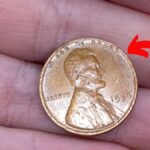
Stories of valuable Wheat Pennies have encouraged more people to take an interest in coin collecting. Many beginners now check their coins more carefully, hoping to find a hidden treasure. This increased interest has also boosted activity in coin markets, making collecting both fun and rewarding.
More Than Just Money
Wheat Pennies are not only valuable for their price but also for their historical significance. They represent a time when coins had simple yet meaningful designs. Collecting them allows people to connect with history while enjoying the excitement of discovery.

Conclusion: A Small Coin with Big Potential
The Lincoln Wheat Penny valued at $10K shows that even the smallest objects can have significant value. While most pennies are ordinary, a few rare ones can be worth a lot. For collectors and beginners alike, these coins offer a unique combination of history, excitement, and potential reward.
Disclaimer

This article is for general informational purposes only. Coin values can change depending on rarity, condition, and market demand. Readers are advised to consult professional coin experts or grading services before making any financial decisions.