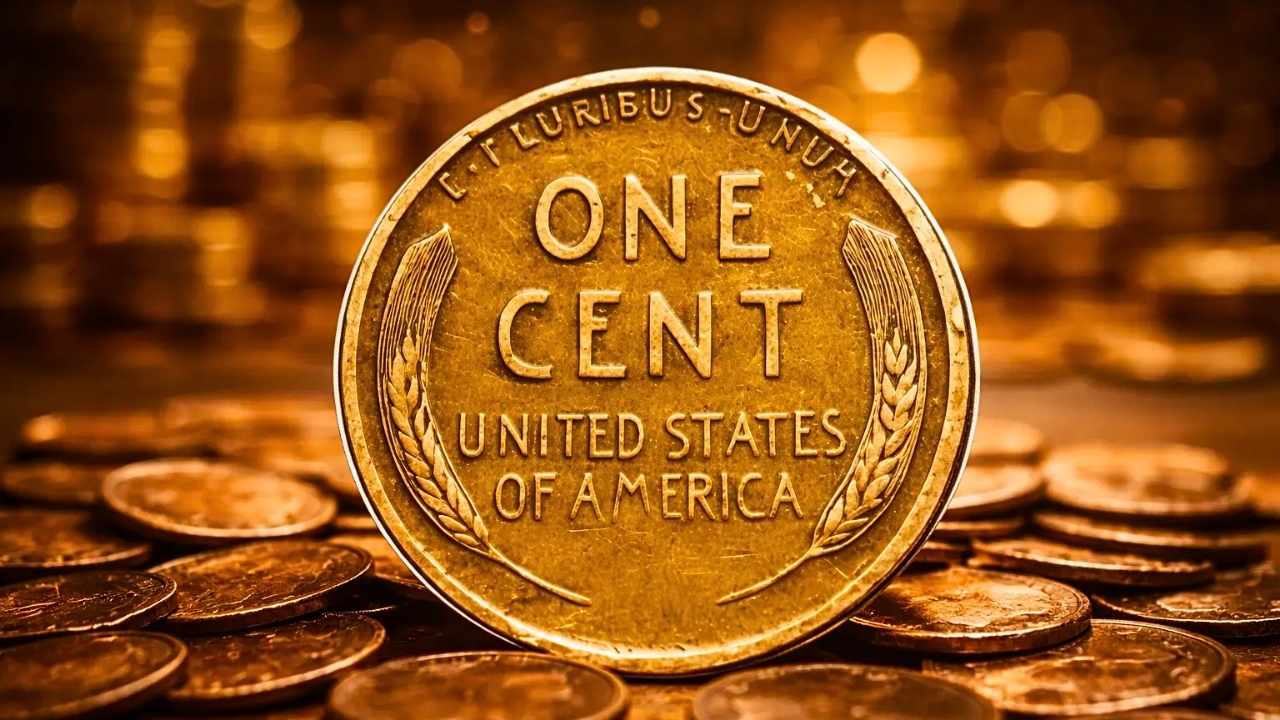
As the world of coin collecting continues to fascinate enthusiasts and experts alike, few coins capture the imagination quite like the Lincoln Wheat penny. Minted from 1909 to 1958, these pennies carry a significant historical legacy and are considered highly valuable in numismatic circles. The allure of these coins is further amplified by reports of certain rare specimens fetching astronomical prices at auctions, with one notable example reaching $2.8 million. This guide delves into the details of the Lincoln Wheat penny, exploring its history, factors contributing to its value, and tips for collectors looking to get their hands on these coveted pieces.
Historical Significance of the Lincoln Wheat Penny
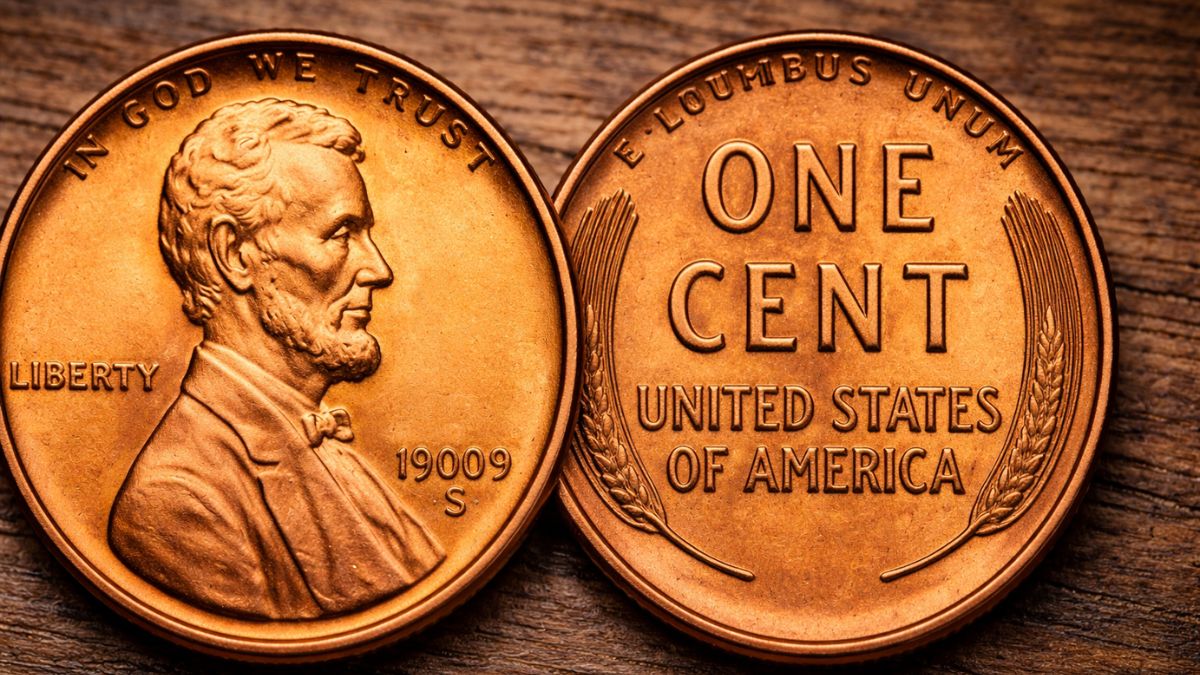
The Lincoln Wheat penny holds a special place in American history, not only for its depiction of Abraham Lincoln but also as a reflection of early 20th-century artistry and minting innovation. When first introduced in 1909, the penny marked the centennial anniversary of Abraham Lincoln's birth and was the first U.S. coin to feature a president's likeness. Designed by sculptor Victor David Brenner, this penny represented a departure from previous designs that lacked such personal tributes.
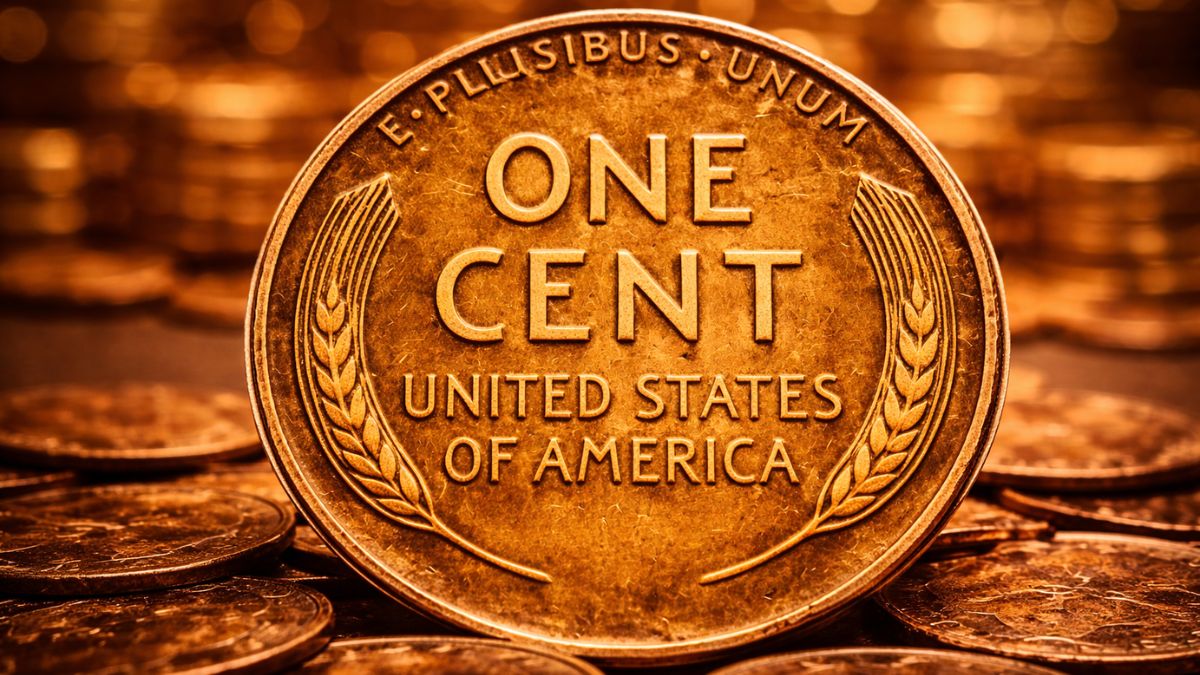
These pennies circulated widely during pivotal moments in American history—from the Roaring Twenties and the Great Depression to World War II—making them not just currency but a tangible link to the past. The reverse side features two wheat ears encircling the words "ONE CENT," symbolizing growth and prosperity. These elements combined with its historical context have cemented its status as a beloved collector's item.
What Makes Certain Pennies Worth Millions?
While all Lincoln Wheat pennies are valuable for their historical significance, certain factors can elevate their worth significantly beyond their face value. Rarity is perhaps the most critical determinant; pennies from years with low mintage figures or those that possess unique minting errors tend to command higher prices. For instance, pennies minted in 1909 with Victor D. Brenner's initials "V.D.B." on them are exceptionally sought after due to their limited number.
Another crucial factor is condition—coins that have been well-preserved without significant wear are highly prized. Collectors use grading systems developed by professional organizations such as the Professional Coin Grading Service (PCGS) or Numismatic Guaranty Corporation (NGC) to assess a coin’s condition, ranging from Poor (P-1) to Mint State (MS-70). A combination of rarity and condition can skyrocket a penny's value into millions, as was seen in the recent auction where a pristine specimen achieved $2.8 million.
Strategies for Collecting Lincoln Wheat Pennies
For those considering adding Lincoln Wheat pennies to their collection, several strategies can enhance both enjoyment and investment potential. Firstly, education is essential; understanding mint marks, dates, and potential errors can significantly inform purchasing decisions. Attending coin shows or joining numismatic societies provides opportunities for learning from experienced collectors and accessing rare finds.
Additionally, focusing on specific sets—such as completing every year from 1909 to 1958 or targeting rare variations like those minted in San Francisco—can give structure to your collection efforts. Auction houses and reputable dealers often offer valuable resources for finding high-quality coins; however, buyers should ensure they purchase from trusted sources to avoid counterfeit issues that occasionally plague popular collectibles.
The Future of Numismatic Investments
The coin market has experienced fluctuations over time, but rare coins like the Lincoln Wheat penny often retain or increase their value due to their intrinsic historical appeal and scarcity. With advancements in digital platforms making auctions more accessible globally, there is growing interest among younger generations in numismatics as both a hobby and an investment vehicle.
Looking towards March 31, 2026, industry experts suggest that demand will continue rising as economic uncertainty heightens interest in tangible assets like coins that carry both aesthetic beauty and historical narratives. As seasoned collectors know, patience is key; maintaining an informed perspective helps navigate market shifts while ensuring treasured acquisitions stand the test of time both financially and sentimentally.
Disclaimer: This article is intended for informational purposes only and should not be taken as financial advice. Always conduct thorough research or consult with professionals before engaging in investment activities related to numismatics or any other field.