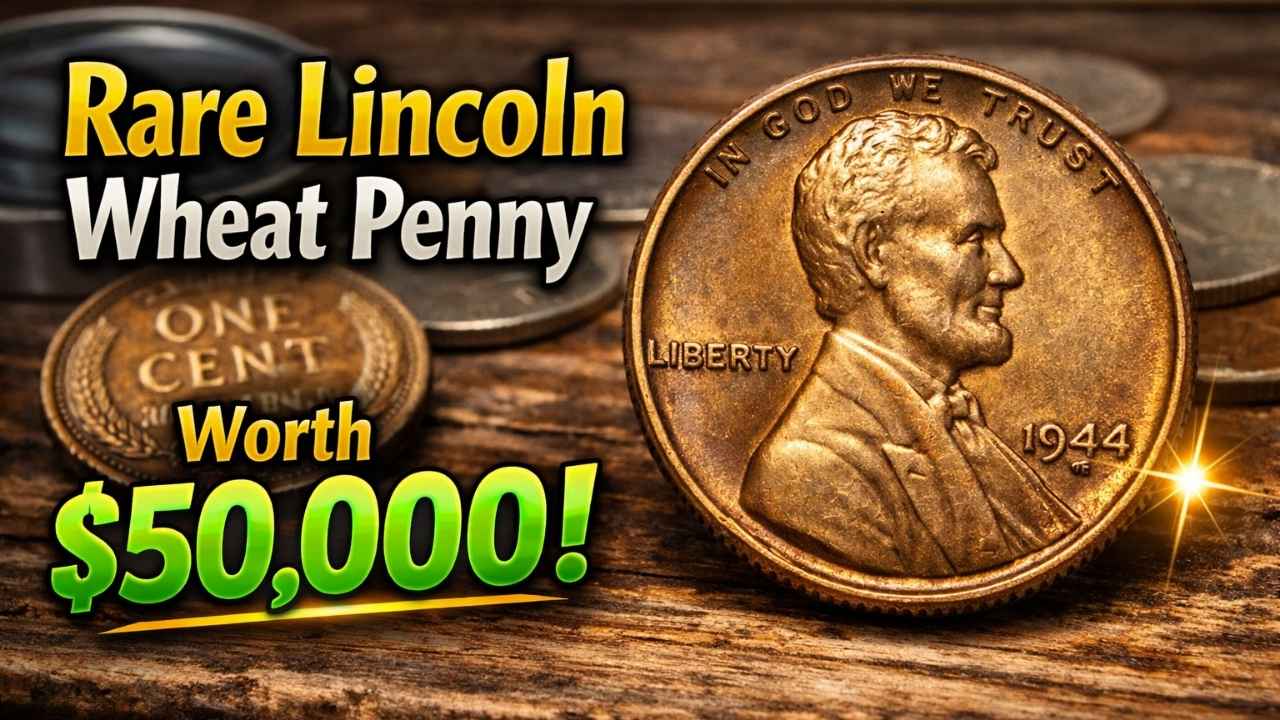
A mundane act like reaching into your pocket for change can sometimes lead to an extraordinary discovery. Recently, a rare Lincoln Wheat penny was found in everyday pocket change, astonishing its discoverer and numismatists alike with its remarkable value of $50,000. This find has sparked excitement among coin collectors and history buffs, prompting many to examine their loose coins more closely.
The Lincoln Wheat Penny: A Historical Gem
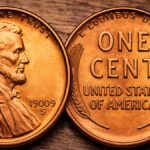
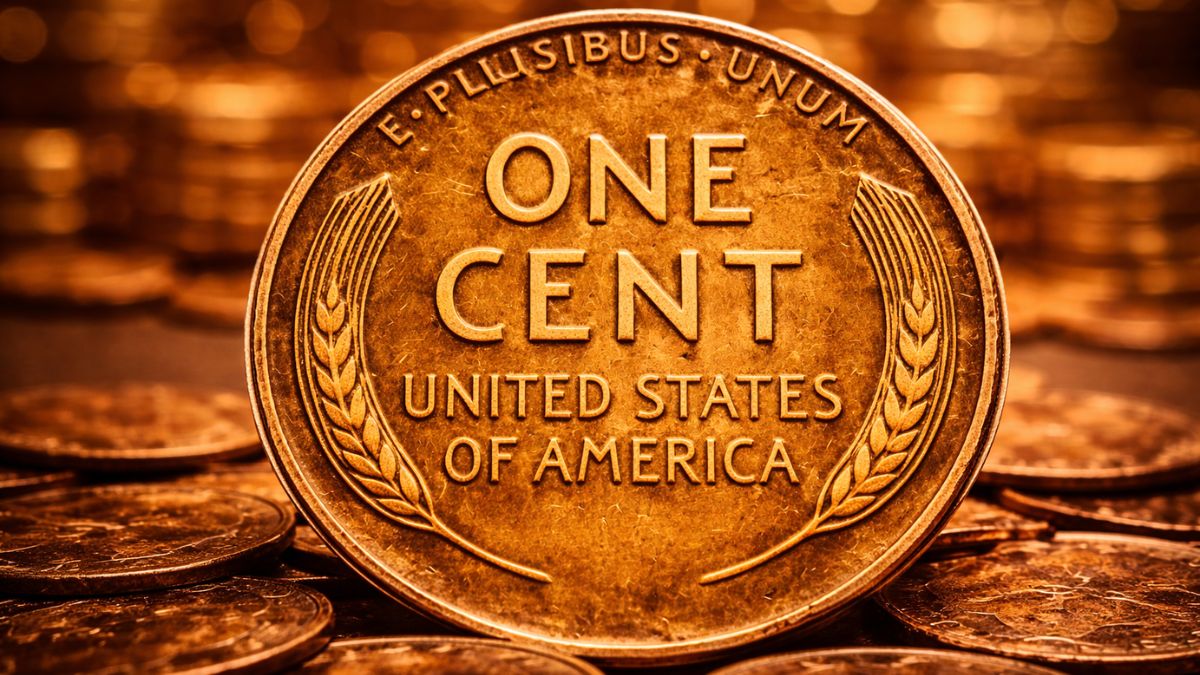
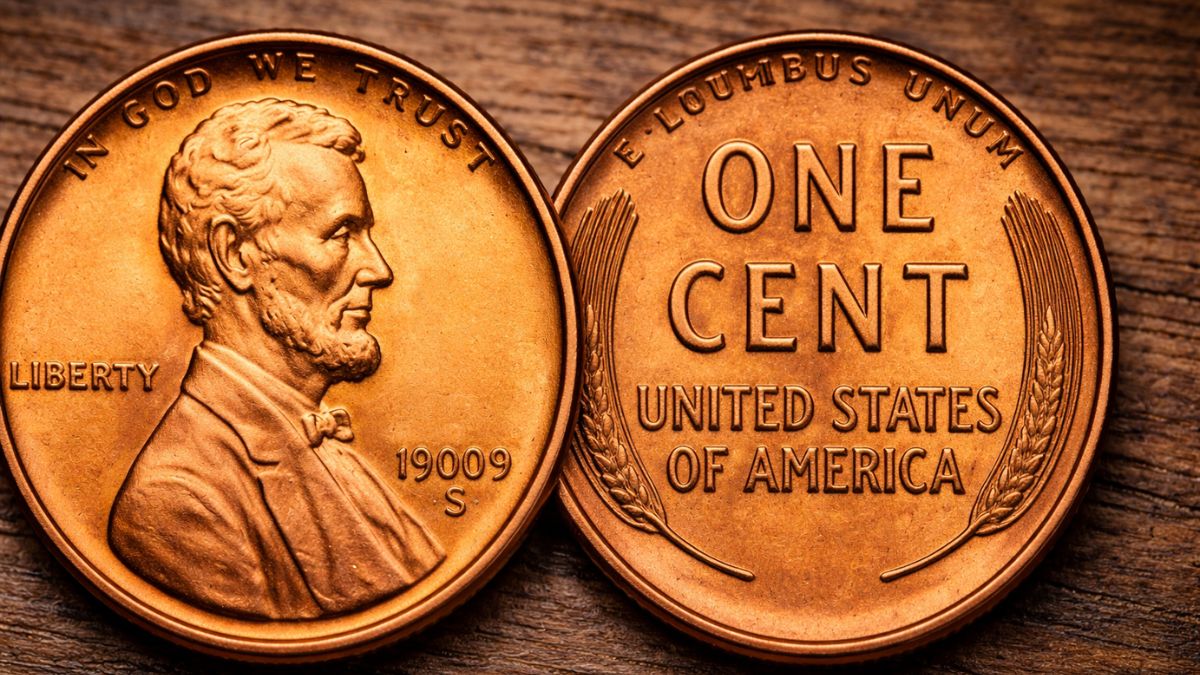
The Lincoln Wheat penny, produced between 1909 and 1958, is a staple of American numismatic collections. Its unique design features the bust of President Abraham Lincoln on the obverse side, while the reverse is adorned with two wheat stalks framing the inscription "ONE CENT," which gives the coin its common name. These pennies were struck from a mix of copper and tin until 1943 when a temporary switch to steel occurred due to wartime metal shortages. Despite their seemingly ordinary use as legal tender for decades, certain years and mint locations have made specific Lincoln Wheat pennies highly sought after by collectors.
One of the most celebrated variants is the 1909-S VDB penny, minted in San Francisco with the initials of designer Victor David Brenner prominently displayed on the reverse side. Other noteworthy versions include error coins, such as doubled dies or off-center strikes, which are coveted by collectors due to their rarity and historical significance. The allure of these coins lies not only in their age but also in their unique stories and intrinsic value.
What Makes This Penny Worth $50,000?
The recently discovered Lincoln Wheat penny's staggering valuation stems from its rare status as an error coin from 1943. In this particular year, all cents were supposed to be struck on zinc-coated steel blanks due to copper's allocation for wartime needs. However, a few bronze planchets from previous years inadvertently found their way into production lines, resulting in a limited number of bronze pennies from 1943 that should not exist according to mint records.
These coins are incredibly scarce and highly prized by collectors because they represent an accidental departure from official mint practices during a significant period in American history. The element of rarity combined with the historical context surrounding World War II elevates this specific penny's worth exponentially compared to other Lincoln Wheat cents.
Tips for Identifying Valuable Coins
Discovering a rare coin among everyday change might seem like finding a needle in a haystack; however, there are steps that you can take to improve your chances. First and foremost is familiarizing yourself with key dates and mint marks known for producing valuable coins. Collectors often seek pennies minted at San Francisco (marked with an "S") or Denver (marked with a "D"), especially when combined with low mintage numbers or unusual characteristics.
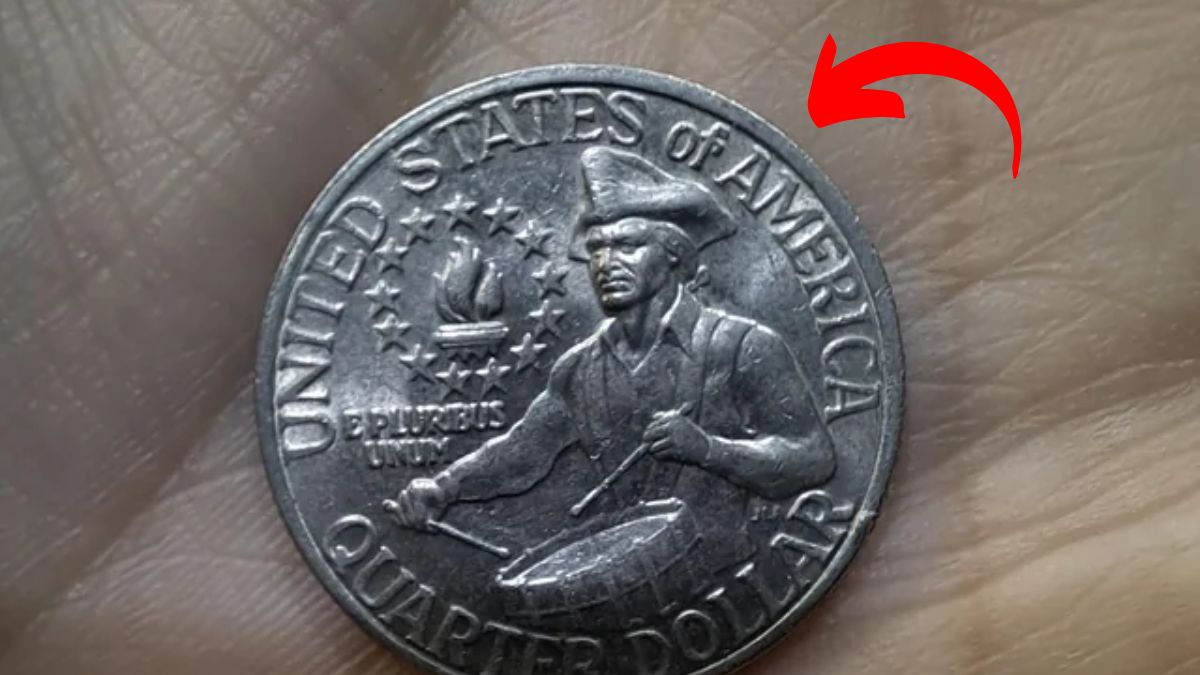
Another crucial aspect is learning about common error types — such as double dies or misstruck coins — which significantly enhance value. Using resources like magnifying glasses can aid in spotting these subtle errors. Additionally, preserving any potentially valuable finds by storing them properly in coin sleeves or holders will help maintain their condition, which is vital for achieving maximum appraisal values.
The Thrill and Economics of Coin Collecting
Coin collecting can be both an engaging hobby and an investment opportunity if approached wisely. The thrill lies not just in amassing coins but also in discovering pieces with unique stories or connections to significant historical events. For many collectors, each coin represents a tangible link to past eras or moments that shaped national or global narratives.
From an economic perspective, investing time into studying market trends and auction results can pay dividends if you develop a keen eye for undervalued pieces likely to appreciate over time. Market conditions fluctuate based on trends within the numismatic community; thus, remaining informed about changes can provide strategic advantages when acquiring new additions to your collection.
In conclusion, this unexpected discovery highlights how even simple actions like checking spare change can lead to incredible revelations about our collective past while offering lucrative rewards for those attentive enough to notice these hidden treasures.
Disclaimer: This article is intended for informational purposes only and should not be construed as financial or investment advice. Always consult with a professional advisor before making decisions based on your individual circumstances regarding coin collecting or investments.